poursina hakim digestive diseases research center

Pan-cancer and single-cell analysis identifies MAGI2-AS3 as an immune regulator and prognostic biomarker with a focus on colorectal cancer

23 June 2026 7 Views No Comments
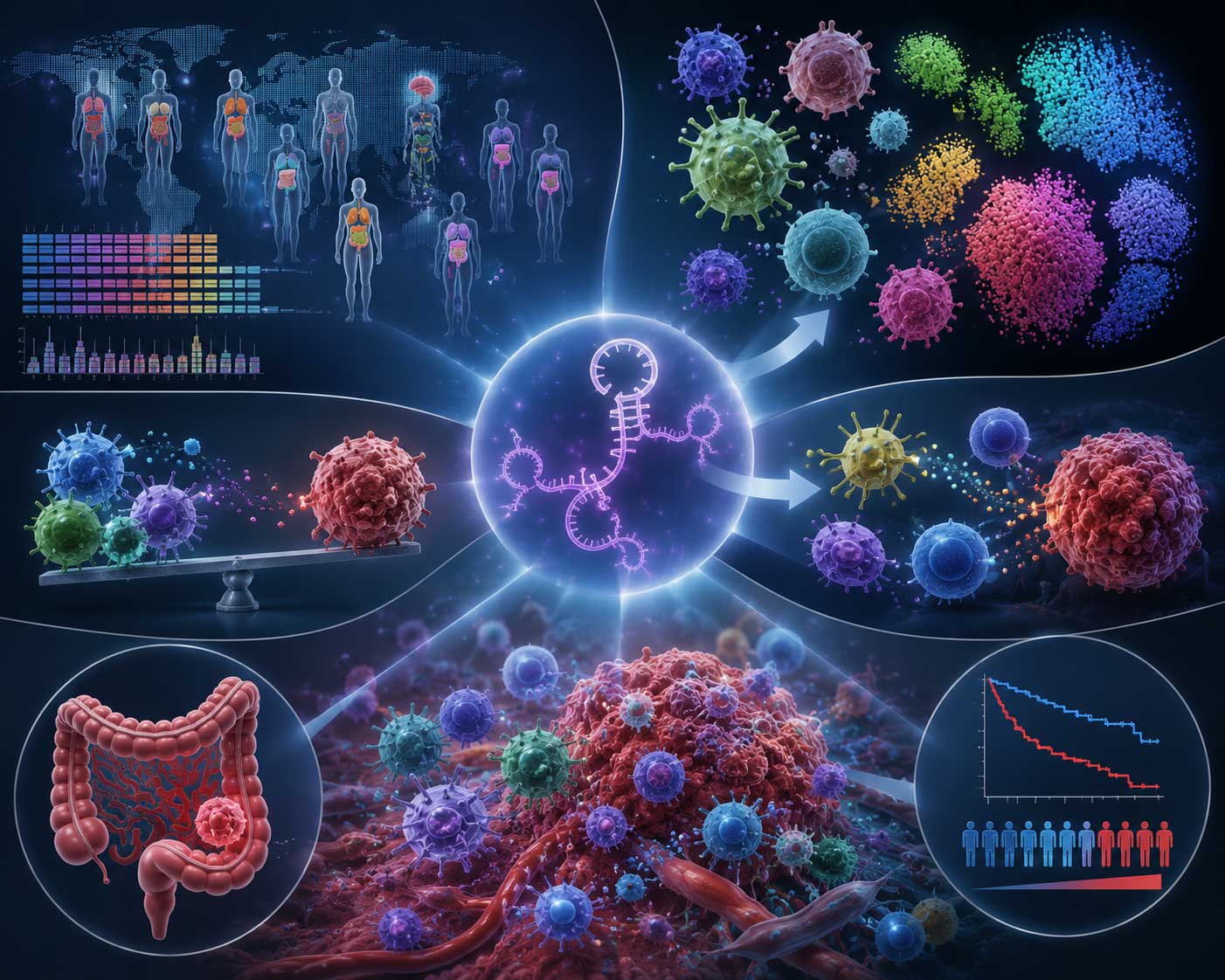
Pan-cancer and single-cell analysis identifies MAGI2-AS3 as an immune regulator and prognostic biomarker with a focus on colorectal cancer

Abstract

Background: Long noncoding RNAs (lncRNAs) are critical regulators of cancer progression, immune dynamics, and therapeutic response. MAGI2-AS3 has been implicated in multiple malignancies; however, its pan-cancer relevance and specific role in colorectal cancer (CRC) remain incompletely understood.


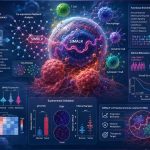
Methods: MAGI2-AS3 expression was analyzed across cancers using bulk (TCGA, GTEx) and single-cell RNA-seq data. Functional enrichment, survival (Kaplan-Meier, Cox regression), diagnostic (ROC), immune infiltration (8 algorithms), immunotherapy response, drug sensitivity, and genomic/epigenetic analyses were performed. Expression was validated by RT-qPCR in 10 paired CRC tissues.


Results: MAGI2-AS3 expression exhibited marked heterogeneity across cancer types, with consistent downregulation in CRC and preferential enrichment in stromal and myeloid cell populations. Functional analyses linked MAGI2-AS3 to epithelial-mesenchymal transition, immune regulation, and cytokine signaling. While prognostic associations were context dependent across cancers, CRC demonstrated a distinct pattern: MAGI2-AS3 was consistently downregulated and showed robust diagnostic performance. Paradoxically, higher expression within tumors was associated with poorer survival outcomes and an inflamed yet immunosuppressive tumor microenvironment characterized by reduced response to immune checkpoint blockade, indicating a complex, compartment-specific role. Drug sensitivity and epigenetic analyses further underscored cancer-type-specific regulatory patterns, which were experimentally validated by RT-qPCR in CRC tissues.


Conclusion: MAGI2-AS3 functions as a context-dependent regulator with strong diagnostic relevance and complex prognostic implications in colorectal cancer. Its involvement in immune modulation, therapeutic response, and tumor progression highlights its potential as a biomarker for precision oncology, warranting further mechanistic and clinical investigation.

Available, you can order now!
Unavailable!